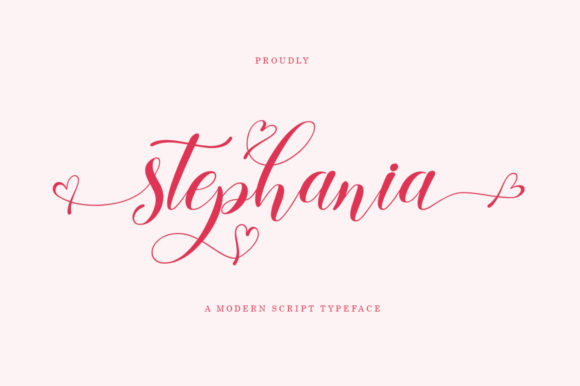
Stephania: A Modern Script Font That Elevates Small Business Branding
Refreshing a Café Menu with Stephania
Last week, I helped a local café owner update their menu design. They wanted something that felt fresh and approachable, yet still professional enough to match their new interior. After reviewing several script fonts, we landed on Stephania. It brought a lively, organic energy to the menu without compromising readability. Stephania’s dynamic strokes and subtle bounce gave the café a more polished look that customers immediately responded to.
Stephania is part of the Script Amp category, and it stands out as a modern font with personality. It blends organic flow with structured elegance, making it ideal for small businesses looking to build a memorable brand identity. Whether it’s for a café menu, boutique tag, or skincare label, Stephania adds a touch of warmth and creativity that’s hard to achieve with more rigid typefaces.
How Stephania Enhances Brand Consistency
Typography plays a quiet but powerful role in brand recognition. When I worked with a candle brand on their new packaging, we tested several script fonts, but Stephania was the only one that balanced modernity with a handmade feel. The brand’s target audience is eco-conscious and design-savvy, so the font needed to reflect both quality and creativity. Stephania’s clean lines and consistent spacing made it easy to scale across different label sizes, from small stickers to large promotional banners.
- Perfect for logos and headlines
- Great for packaging and product tags
- Works well in digital and print formats
What stood out during the test phase was how Stephania maintained its character across both large and small applications. It’s not just a decorative font—it’s a functional design asset that helps small businesses communicate their brand tone visually, even before a customer reads the copy.
Real-World Uses for Stephania
From bakery boxes to boutique hangtags, Stephania adapts well to a variety of business needs. Here are a few real-life examples of how it can be used effectively:
- Logo Design: Its modern script style makes it ideal for logos that need to feel elegant yet personable.
- Product Labels: Especially effective for small labels where readability and charm both matter.
- Social Media Graphics: Adds a custom, branded feel to Instagram stories and banners without looking overdesigned.
- Thank-You Cards: Perfect for handwritten-style notes that feel personal yet professional.
A handmade soap brand I recently consulted for used Stephania on their product tags and packaging inserts. It gave their brand a cohesive look that translated well from physical products to their Shopify store banners. The result was a stronger visual identity that customers began associating with quality and attention to detail.
Readability and Responsiveness Across Formats
One of the most important aspects of choosing a font like Stephania is understanding where and how it will be used. Because it’s a script font, it shines best in short phrases, headlines, and titles rather than long paragraphs. For small product labels or mobile-friendly web banners, I recommend using it at a slightly larger size to ensure clarity.
When designing for mobile screens or small stickers, it’s essential to test the font at different sizes. Stephania’s clean baseline and open spacing help maintain legibility, even when scaled down. For printed packaging, I always advise checking the font’s weight options and ensuring the chosen style isn’t too thin or intricate for the print process.
Font Pairing Tips for Stephania
Pairing Stephania with the right supporting fonts can elevate its impact. Here are a few combinations I’ve used successfully:
- With a Clean Sans Serif: Great for balancing organic script with modern minimalism, especially in logo and website design.
- With a Serif Font: Adds a classic contrast that works well for editorial-style branding or wedding-related businesses.
- With Another Script Font: Use sparingly—pair Stephania with a simpler script for layered designs like packaging or invitations.
For a wellness coach’s branding package, I paired Stephania with a soft serif font for subheadings and a minimalist sans serif for body text. The result was a warm, professional look that felt both grounded and aspirational—exactly what the client wanted to convey.
Things to Consider Before Using Stephania
Before integrating Stephania into your business materials, make sure to check the font’s included styles, file formats, and licensing terms. It’s important to confirm that the font supports the languages you need, especially if your brand communicates in more than one language. Also, look for alternates and ligatures, which can add visual interest and help avoid repetition in logo design or headlines.
Most importantly, ensure that the font license allows for commercial use—especially if you’re applying it to merchandise, packaging, client work, or digital templates. Stephania is typically sold as a premium font, and many versions include full commercial rights, making it a reliable choice for small business owners and designers alike.